Table of contents
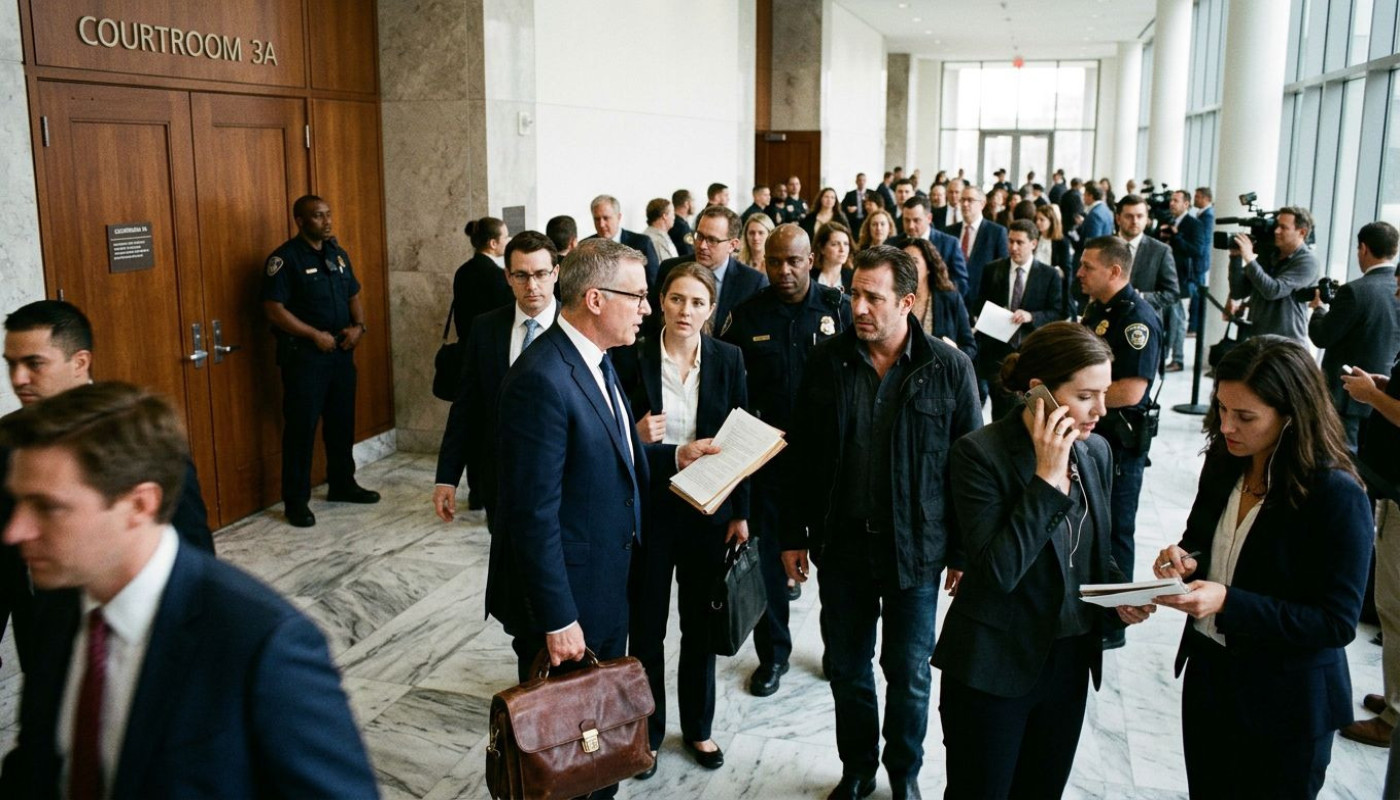
The courtroom can look deceptively calm, all polished wood and measured voices, yet in a high-profile extradition trial the stakes are rarely confined to a single hearing, because the real contest plays out across borders, calendars, and competing legal cultures. In 2024 and 2025, extradition has stayed in the headlines from Europe to Southeast Asia, driven by cybercrime, fraud, and politically sensitive cases, and the procedural decisions made early can determine whether a person is surrendered in weeks or fights for years. What happens behind the scenes is where outcomes are shaped.
What the public never sees first
Paperwork moves faster than people. Before a judge ever hears argument, the file is built through diplomatic channels, translated, certified, and reorganized into a story that will survive scrutiny in a different legal system, and in many cases that “story” begins with a red notice, a provisional arrest request, or an urgent mutual legal assistance exchange rather than a fully formed indictment. Interpol’s public statistics illustrate the scale of this machinery: the organization reports issuing thousands of Red Notices and diffusions annually, tools that are not arrest warrants in themselves but frequently trigger arrests once a state’s domestic law engages. That first step matters, because extradition hearings often start with a narrow question: is the arrest and continued detention lawful while the request is processed?
In high-profile matters, the timeline is the silent protagonist. Extradition treaties and domestic statutes typically impose strict windows for submitting a formal request after a provisional arrest, and the defence watches those dates as closely as it watches witness statements. A missed deadline can be fatal to the requesting state’s case, while a late translation or an improperly authenticated exhibit can force adjournments that keep the person in limbo. Even when the requesting state acts quickly, courts may still demand precision on identity, dual criminality, and the minimum evidential threshold, depending on the jurisdiction; behind the scenes, lawyers spend days mapping the alleged conduct to local offences line by line, then stress-testing whether the request is really about crime or about something else.
Detention, bail, and the clock
Liberty is negotiated in increments. The most punishing aspect of extradition for many defendants is not the final surrender but the months of custodial uncertainty that precede it, particularly when courts treat flight risk as inherent and when media attention inflates the perceived danger of absconding. Bail applications in extradition cases can resemble miniature trials, because judges want verifiable ties, reliable sureties, travel restrictions that can actually be enforced, and a credible plan that does not collapse under cross-examination. The defence gathers bank records, property documents, employment histories, medical evidence, and sometimes expert assessments on conditions of detention abroad, and it does so at speed, because the hearing calendar rarely pauses for document hunting.
The prosecution side works the same pressure points. It will highlight international connections, past travel patterns, and any suggestion of access to funds, while also stressing that extradition proceedings are not meant to become a full trial on guilt. That tension shapes the courtroom choreography: the judge must decide whether continued detention is proportionate, yet is asked to avoid delving too deeply into the merits. In jurisdictions where bail is possible but difficult, the “clock” becomes a tactical instrument, because delays can either strengthen an argument for release on proportionality grounds or, conversely, be portrayed as defence-driven and therefore undeserving of relief. It is in this phase that experienced counsel can make an outsize difference, coordinating parallel tracks that the public rarely links together, such as immigration status, passport control, mental health support, and the management of public statements that might later be cited as risk indicators.
The evidence fight: narrow, then decisive
Extradition is often described as technical, and that is true in the way surgery is technical: the incision may be small, yet it determines everything. The central battles typically revolve around whether the alleged conduct amounts to an offence in both states, whether the request is supported by sufficient material, and whether bars to extradition apply, for example because of human rights risks, specialty concerns, or political-offence arguments where recognized. In practice, the defence does not need to “win” the whole case at once, it needs to find the pressure seam, the mismatch between narrative and legal threshold, the gap between what is alleged and what is proven, and then persuade the court that the gap is not curable by a promise of future evidence.
This is also where comparative legal literacy becomes indispensable. A fraud allegation drafted under one system’s vocabulary may not cleanly translate into another’s, and courts can be skeptical of broad labels like “conspiracy” or “computer crime” if the particulars are thin. Defence teams therefore build dossiers that read like investigative journalism: corporate registries, litigation histories, timeline reconstructions, and, where relevant, expert reports on prison conditions and due-process guarantees. When the case has a Thailand dimension, counsel must also anticipate practical realities, including how local procedure treats detention, how quickly courts can list hearings, and what assurances can realistically be obtained and enforced; readers seeking a clearer view of that landscape often turn to specialized counsel such as Thai Extradition lawyers, because the strategy is rarely transferable from one jurisdiction to another without losing crucial nuance.
Diplomacy, media, and the human factor
High-profile extradition trials are never purely legal. They sit at the intersection of diplomacy, domestic politics, and public narratives, and the people inside the process feel that weight, from consular officials fielding urgent calls to court staff managing packed galleries and security. Behind closed doors, states negotiate: on timing, on custody arrangements, and sometimes on assurances about treatment, sentencing, or access to counsel. Even when such assurances are contested, they can reshape judicial comfort levels, because a court deciding surrender is also deciding whether it trusts another state’s institutions enough to accept those promises.
The media dynamic can be just as consequential, and not only because of reputational damage. Public reporting can influence perceptions of risk, it can harden political positions, and it can complicate witness safety or ongoing investigations. Defence lawyers often have to protect the integrity of their arguments from mischaracterization, while prosecutors must avoid prejudicing related proceedings, and both sides may seek reporting restrictions in limited circumstances. Yet the “human factor” is what most observers underestimate: extradition defendants are frequently separated from family, dealing with language barriers, and making decisions under acute stress, while the legal teams must translate complex probabilities into choices that a client can actually own. The calm tone in court can mask the reality that every adjournment changes lives, and every procedural ruling can reverberate across borders.
Planning the next move, not just the hearing
If an extradition case becomes unavoidable, early budgeting and scheduling can prevent panic later: expect significant costs for translations, expert reports, and travel, and ask in advance about staged fees tied to bail, hearings, and appeals. Where available, explore consular support and legal aid options, and secure a realistic appointment plan, because urgent filings often depend on rapid document collection. The best time to prepare is before the first deadline hits.
On the same subject

Interpol Red Notices: The Thin Line Between Law And Political Pressure
What Your First Immigration Interview Reveals About National Policies

Smart agriculture technology revolutionizing farming in the digital age
